What to Do in the First 24 Hours After Residential Water Damage in Jefferson, GA
Residential water damage in Jefferson, GA, can go from a manageable problem to a serious health and structural risk within a single day. In this guide, we walk you through the most important steps to take in the first 24 hours so you can protect your home, your family, and your insurance claim. Contact us today and call (678) 858-9891 if you need immediate help.
Step 1: Put Safety First Before Anything Else
Your safety is the priority before you take any other action. Water and electricity are a dangerous combination, so the first thing to do is locate your home's electrical panel and shut off power to any affected areas. If you are not sure which breakers to cut, shut off the main breaker entirely until a professional can assess the situation.
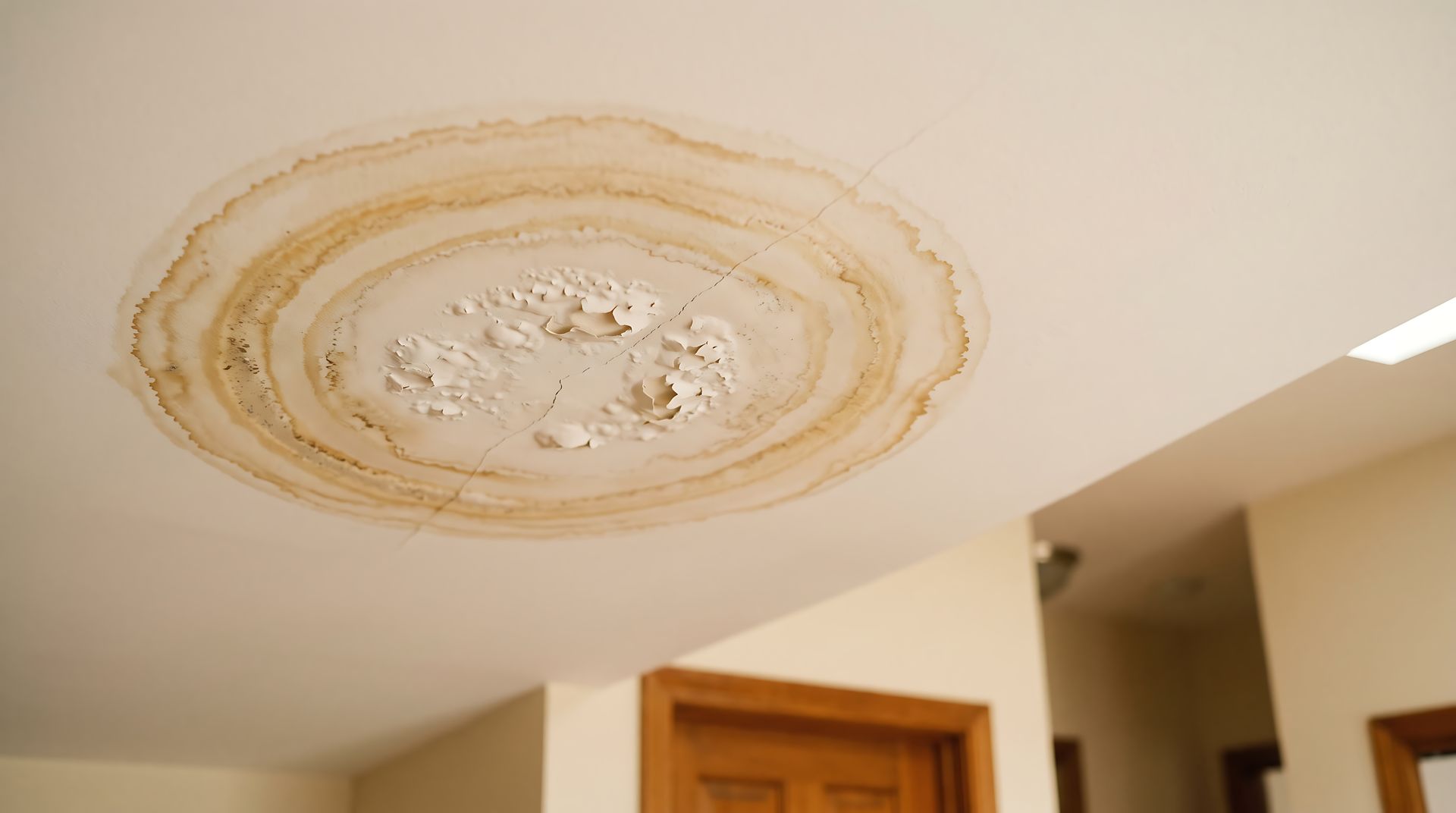
Do not enter a room with standing water until the power is confirmed off. Watch for sagging ceilings, which may be holding water weight and could collapse. Wear rubber boots and waterproof gloves if you need to walk through affected areas.
Step 2: Stop the Water Source
Stopping the source of water is the next critical move. For a burst pipe, turn off the main water supply valve right away. For an appliance leak, unplug the appliance and shut off its water connection.
If the water is coming from storm drainage or ground intrusion, you may not be able to stop it immediately, but you can limit its spread by placing towels or sandbags at doorways and moving belongings to higher ground. Every minute counts when water is actively spreading through floors and walls.
What Not to Do in the First 24 Hours
Knowing what to avoid can be just as important as knowing what to do. Residential water damage can worsen quickly when homeowners make avoidable mistakes in the first few hours. Here are some common mistakes that can make residential water damage worse:
- Do not use a standard household fan to dry out a sewage backup. Fans can spread contaminated air and bacteria throughout your home.
- Do not walk across wet hardwood floors more than necessary, as this accelerates warping and cupping.
- Do not use a regular wet/dry vacuum on sewage water. It is not designed for biohazardous material.
- Do not turn on HVAC systems in flooded areas, as this can spread mold spores if mold has already begun to form.
- Do not throw away damaged materials before documenting them for your insurance claim.
Step 3: Document Everything for Your Insurance Claim
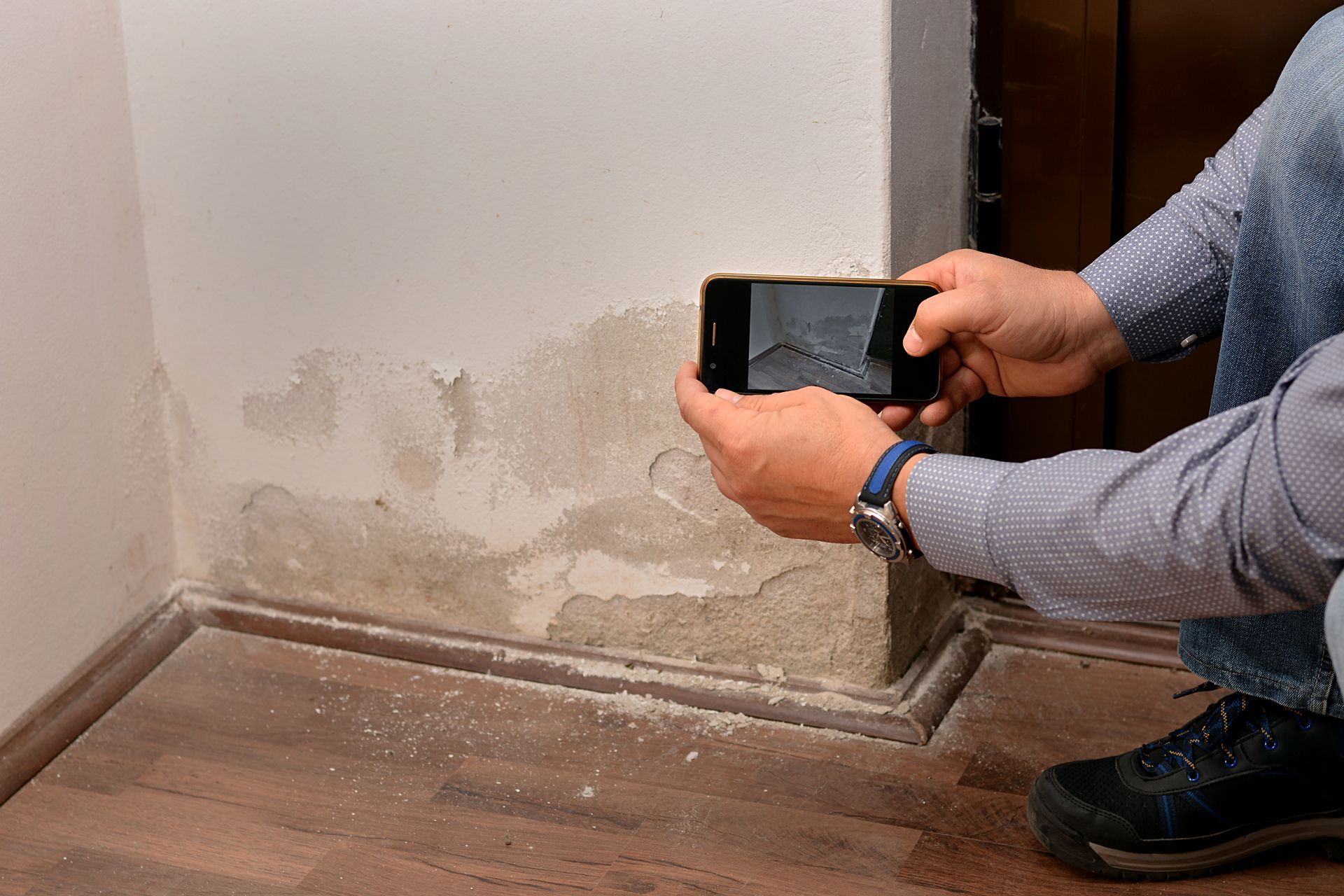
Thorough documentation can make a major difference when filing an insurance claim. Take photos and videos of every affected room before you move or remove anything. Capture close-ups of damaged flooring, walls, ceilings, furniture, and personal belongings.
Write down the date and time the damage occurred, along with a brief description of the source. Save any receipts for emergency purchases like fans, pumps, or hotel stays. Our team can also help you navigate the insurance claim process to make restoration as stress-free as possible.
Why Acting Fast Matters Even More in Jefferson, GA
Jefferson, GA, sits in a region with a humid subtropical climate, and that makes water damage uniquely urgent here. The warm, humid summers and moisture carried in from nearby lakes and wooded areas create conditions where mold can begin to develop within 24 to 48 hours of water intrusion. Homes in Jackson County also sit on clay-rich soils that hold moisture and can contribute to ongoing ground-level dampness after a flood or heavy rain event.
Newer construction on former agricultural land around Jefferson can also face foundation grading issues that direct water toward the home rather than away from it. Residential water damage in Jefferson, GA, can escalate faster than homeowners expect precisely because of these local conditions. Acting within the first few hours gives you the best chance of stopping mold before it spreads behind walls and under flooring.
When Should I Call a Professional Instead of DIY?
We recommend calling a licensed restoration professional immediately if any of the following apply:
- The water source is sewage or gray water.
- Water has been sitting for more than a few hours.
- Water has reached electrical outlets, wiring, or appliances.
- You notice a musty smell, which may signal mold has already begun.
- Walls, ceilings, or flooring feel soft or are visibly warped.
DIY cleanup may be appropriate for very minor, contained spills on hard surfaces. However, residential water damage involving standing water, soaked drywall, or soaked insulation typically requires professional-grade extraction and drying equipment to fully remove moisture from building materials.
How Quickly Can Mold Grow After Water Damage?
Mold can begin forming in as little as 24 to 48 hours under the right conditions. Jefferson's humid climate accelerates this process significantly during spring and summer months. Our structural drying process uses industrial dehumidifiers and air movers to reduce moisture levels well below the threshold where mold can survive. Surface drying with a household fan is rarely enough to prevent mold growth inside walls or under subfloors.
Take Action Now and Get the Right Help
When residential water damage strikes your home, we at Xtreme Water Pros Inc. are ready to respond 24 hours a day, 7 days a week, serving Jefferson, GA, and surrounding areas. Our licensed and certified team provides water removal, structural drying, mold remediation, and insurance claim support to help you recover quickly and confidently.
You can review our work and read customer feedback by visiting our
Google Business Profile to see why homeowners in the area trust us with their restoration needs. Call us today at
(678) 858-9891 or
send us a message to request a free inspection.
Recent Posts